

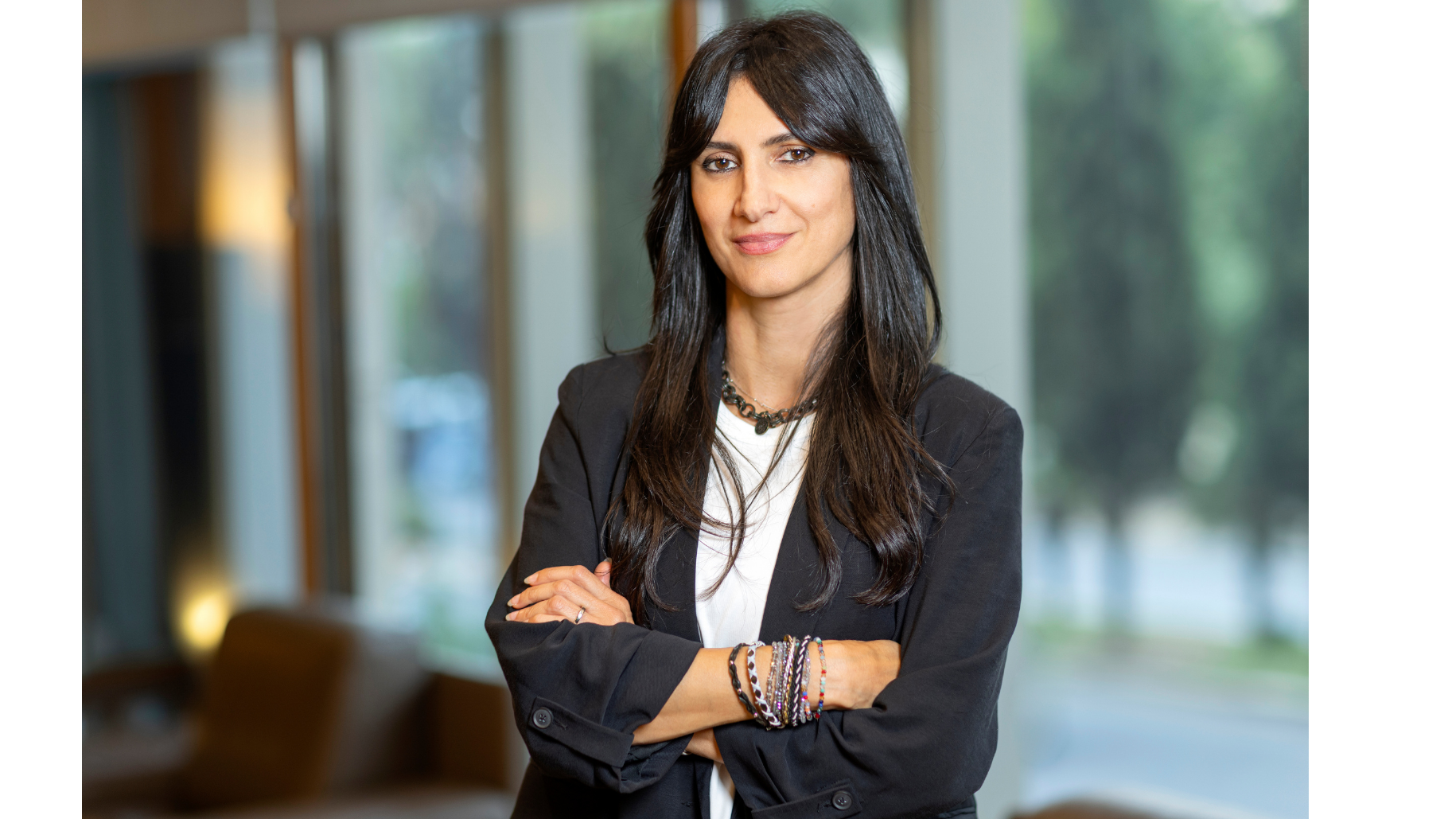
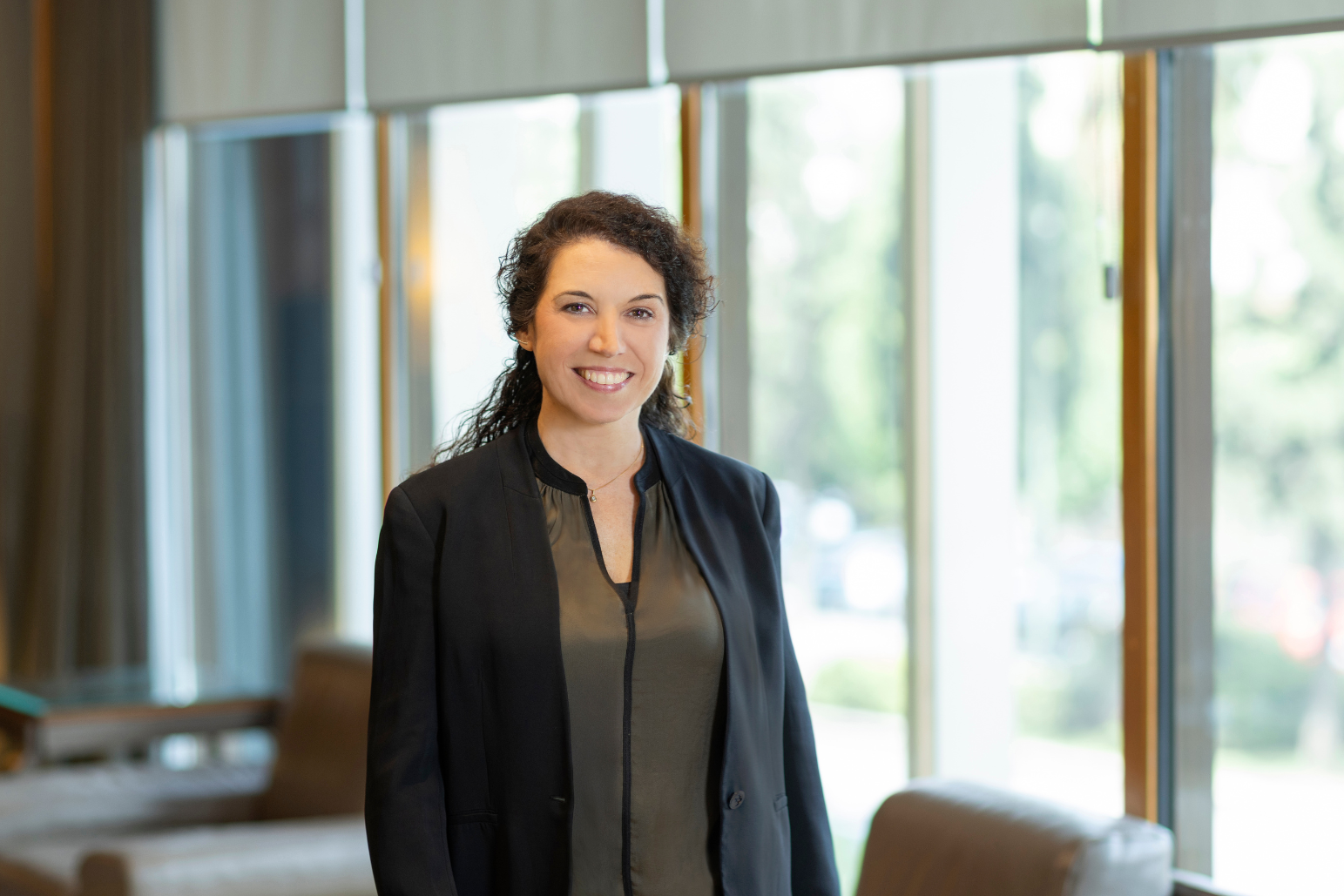
We are pleased to share an interview published in the Tribuna de Andalucía on April 02, 2026, with Raquel López, Port Operations Director for Spain, Gibraltar & Portugal at Intercruises.
The following text is a translation of the original article. For the original Spanish version, please click here
How are Intercruises’ current port operations integrated with the company’s other services to ensure a seamless shore-to-ship experience?
At Intercruises Shoreside & Port Services, we view port operations as part of a fully integrated ecosystem of services in the destination. We do not work in silos, but rather through coordinated teams that handle everything from ship agency and berth reservations to shore excursions, transfers during embarkation and disembarkation calls, and hotel arrangements for crew members. In practice, we act as the cruise line’s agent in the destination.
We have a global structure that allows us to integrate processes, technology, and consistent quality standards across more than 400 ports in 50 countries. This integration ensures that each call functions as a single, coordinated operation, delivering a consistent and seamless experience from the moment the guest arrives until they return on board—reducing waiting times and optimizing every phase of operations.
What coordination mechanisms are used to ensure effective communication with port authorities, cruise lines, and local suppliers in each destination?
Coordination is one of the pillars of our operating model. We work with long-term planning, often 12 to 24 months in advance, allowing us to define schedules, passenger volumes, logistical needs, and staffing requirements with precision.
On any given day we may manage up to 60 calls in different ports around the world, which demands a very robust communication and control structure. In every destination, we have local teams who maintain constant contact with port authorities, customs, port security authorities, cruise lines, and suppliers.
We operate with standardized global protocols but with the ability to adapt locally. The cruise industry allows us to forecast flows with a high degree of accuracy, enabling us to distribute passengers in time slots, design excursions with pre-set group sizes, and avoid unnecessary crowding in areas of the destination prone to congestion.
How is service quality measured within port operations, and how do you assess satisfaction among guests, crew, and cruise line clients?
Quality is evaluated from two perspectives: operations and the service experience. We measure indicators such as punctuality in embarkation and disembarkation, adherence to excursion schedules, and incident management.
At the same time, we analyze passenger, crew, and cruise line satisfaction through structured feedback systems after each call and periodic review meetings with our clients.
Managing over 13,000 calls per year globally gives us a substantial volume of data that helps us identify improvement areas, anticipate needs, and continuously adjust our processes.
Raquel López: "On any given day we may manage up to 60 calls in different ports around the world"
What role does technological innovation play in the logistical processes, embarkation and disembarkation, and control of port operations?
Technology is essential for coordinating complex operations that, in some ports, involve thousands of passengers within a few hours. We use digital tools for resource planning, flow control, staff allocation, and real-time operational data management.
We also work with systems that optimize excursion organization by defining capacity limits, staggered schedules and routes, to improve the experience and reduce potential congestion.
Innovation does not replace our teams; it enhances their work by providing greater visibility, tracking, and the ability to respond quickly to any issue.
Given the company’s global nature, how do port operations adapt to the cultural, regulatory, and logistical characteristics of each region?
Our model combines global standards with strong local presence. With more than 100 offices worldwide, our teams have deep knowledge of each destination’s regulations, culture, and operational realities.
Port regulations, customs requirements, and logistical dynamics vary significantly across regions. While we maintain common procedures for safety, quality, and compliance, execution is adapted to each local context.
In shore excursions, for example, each program is designed with a local flavor, promoting authentic experiences that foster interaction with the community, local cuisine, and local production. This not only enhances the passenger experience but also contributes to a more balanced economic impact in the region.
What are the main current challenges in the cruise industry affecting port operations, and how is the company addressing them?
Key challenges include managing passenger flows efficiently in high-demand destinations, balancing growth with sustainability, and adapting to an increasingly demanding regulatory environment.
There is growing social sensitivity regarding tourism’s impact, particularly in certain ports. In this context, the cruise sector’s long-term planning capability becomes an advantage, as it allows us to schedule arrivals, allocate resources, and design proposals that diversify the offer beyond iconic points of interest.
We are also seeing rising demand for more personalized, small-group experiences linked to local culture, cuisine, or artisanal crafts. Adapting operations to cater to these types of experiences requires coordination, training, and a strong network of local suppliers.
Finally, what are Intercruises’ main objectives and strategic goals for developing its port operations and global services this year?
Strategically, our goal is to consolidate growth while maintaining high operational standards and strengthening our presence in key markets such as Spain.
In 2025, we managed over 2,800 transit calls and nearly 1,000 embarkation and disembarkation calls in Spain, and exceeded one million passengers on excursions. These figures reflect both the scope of our operations and the trust placed in us by cruise lines.
Beyond the numbers, our focus is on continuing to deliver value to cruise lines and destinations, strengthening collaboration with local suppliers, and contributing to a broad, well‑distributed economic impact across sectors such as transportation, guiding services, accommodation, logistics, and auxiliary services. Andalusia – due to its significance in cruise traffic – is a clear example of how public–private coordination is essential to achieving structured and sustainable growth.
—
For enquiries please write to communications@intercruises.com
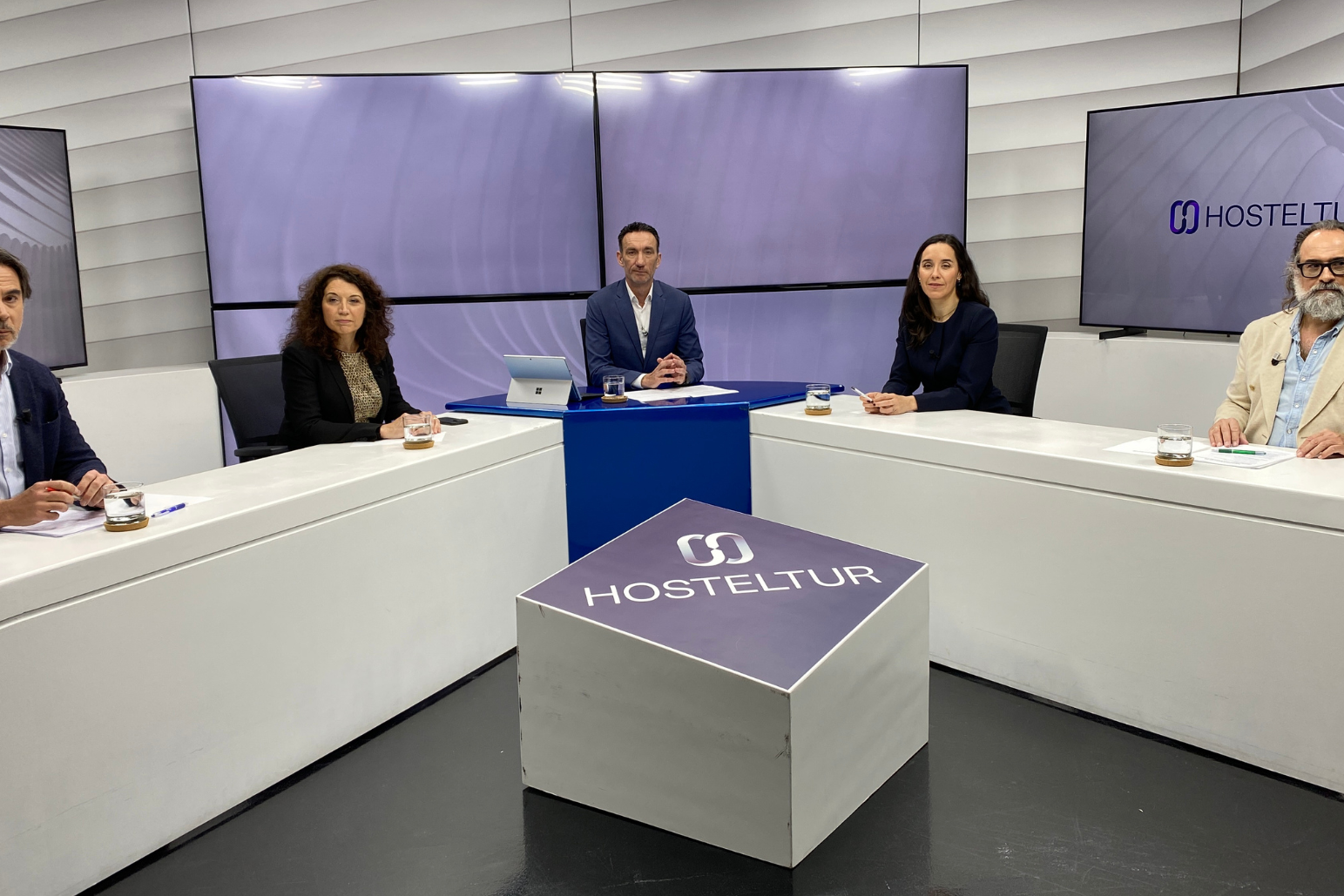
Virginia Quintairos on Hosteltur TV: Analysis of the Major Challenges and Opportunities for the Cruise Industry in 2026
Virginia Quintairos discusses Spain’s cruise industry growth, trends, and…
Intercruises Endorses Suncruise Andalucía’s Manifesto for Sustainable Development
Intercruises strengthens its dedication to environmental responsibility and…
Virginia Quintairos Appointed Intercruises Managing Director
Intercruises confirms Virginia Quintairos as Managing Director to drive…